What if a single policy decision could redraw the maps of global power, cybersecurity, and corporate espionage, without firing a single shot?
It’s not a military treaty. It’s ‘Data Localization’.
This principle demands critical data – from customer records to national secrets – stays *within* a nation’s borders. No free passes across global servers.
Now, here’s why this isn’t just theory, but a battlefield for nations and businesses:
National Security: Imagine critical infrastructure data, like power grids or public health records, sitting offshore, vulnerable. Data localization fortifies defenses, bringing control back home.
Regulatory Control: For global companies, this means navigating a maze of conflicting international laws. Localization simplifies compliance, offering clear, enforceable rules under specific national frameworks.
Reducing Foreign Dependency: Less reliance on distant server farms means more resilience against geopolitical risks, cyberattacks, or simple outages. It’s about owning your digital destiny.
But here’s the burning question: Is Data Localization a necessary shield in our volatile world, or a digital iron curtain that stifles innovation and global collaboration?
I’ve personally watched companies struggle through its legal complexities, yet others have thrived under the newfound control. This isn’t black and white.
What’s your take? How do you see data localization shaping the next decade for your industry?
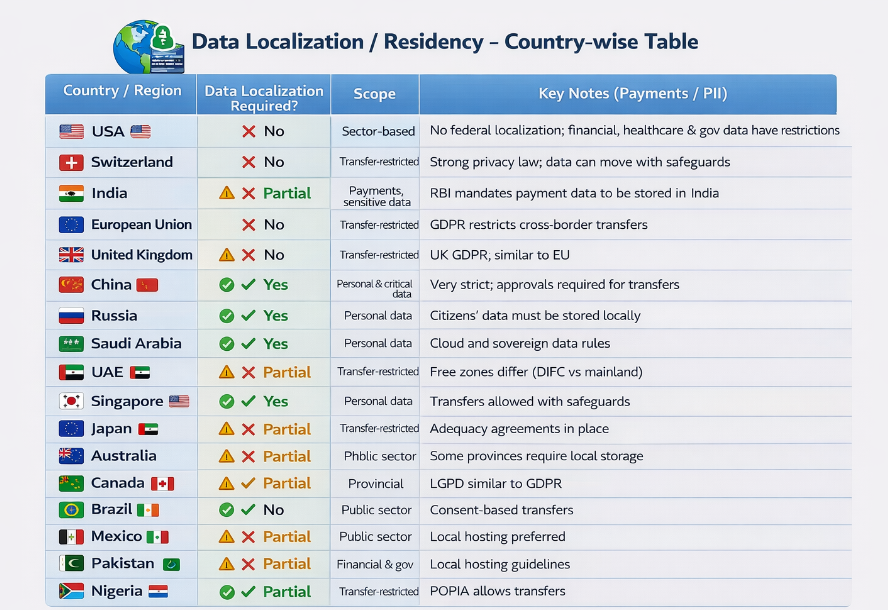
India follows a selective data localization model, where payments and regulated financial data must remain within India, while general personal data can flow cross-border under government oversight.”
Mote details about IDL
The RBI’s data privacy mandates aren’t just rules; they’re critical shields against massive fines and reputational damage. Many organizations get caught out by specifics they *think* they understand.

Here are some non-negotiable RBI/Regulatory compliance use cases that demand immediate attention for anyone handling sensitive financial data:
1. Purge Sensitive Financial Data: Creditor, Debtor, Address, and transaction amounts must be purged (***) post-processing. This isn’t just about compliance; it’s about minimizing your attack surface.
2. Ephemeral Processing Files: Transaction-heavy files like Pain, CAMT, and MT files should be purged immediately after successful processing. Think of them as volatile; they serve their purpose, then they’re gone.
3. Cross-Border Data Deletion (24-Hour Rule): Any customer information for payment transactions MUST be deleted from non-India servers within 24 hours. The clock starts ticking as soon as the data leaves Indian jurisdiction.
4. Currency-Specific Data Purging: * **INR to EUR:** All Indian customer data related to this transaction must be scrubbed from databases, logs, and reports. * **USD to INR:** Similarly, all Indian customer data related to this transaction must be completely purged from databases, logs, and reports. These aren’t suggestions; they are mandates designed to protect customer data integrity and avoid severe penalties. The details matter. What are the biggest challenges your organization faces in staying compliant with RBI’s evolving data regulations?